Rare earth elements are relatively plentiful in the earth’s crust, with cerium being the 25th most abundant element at 68 parts per million. This makes it as abundant as copper. Because of their geochemical properties, rare earth elements are typically dispersed. This means they are not often found in concentrated enough clusters to make them viable to mine. It was the scarcity of these minerals that led to them being called rare earths.
How Are Rare Earths Used?
Rare earths are the backbone of many of the devices we use on a daily basis, as well as the technologies that are already contributing to the health of our planet. Rare earths affect many areas of our everyday lives. Rapid global industrialisation and population growth has placed increased pressure on the availability of raw materials.
How do rare earths impact us?
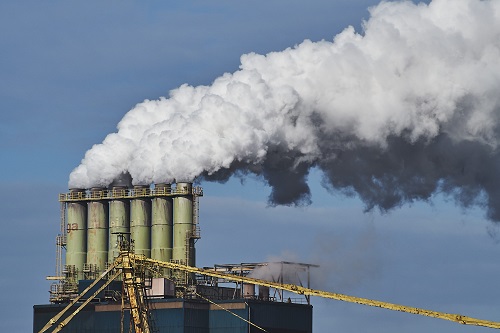
Global warming due to greenhouse gas emissions is a concern for us all. Rare earths already play a vital role in the reduction of greenhouse gas emissions.
Many scientists believe that global warming is caused by a human-driven increase in greenhouse gases in the earth’s atmosphere. With our society becoming more aware of the part we have to play in addressing global warming, governments of today are now legislating higher environmental and lower emission standards in both domestic and industrial settings.
Where Are Rare Earths Found?
Minerals containing rare earths are currently produced in seven countries and regions including China, Russia, the US, Australia, India, Brazil, and Malaysia. Lanthanum and cerium accounted for nearly 60% of world consumption of rare earths in 2012 followed by neodymium, yttrium, and praseodymium. The first rare earth was discovered in 1787 in a village in Sweden. Since then they have become technologically, environmentally, and economically important across the globe.
How Are Rare Earths Mined?
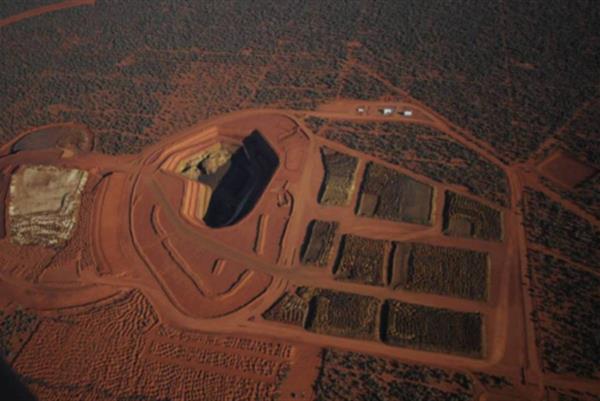
When mined, rare earths are high lustre metals which are typically silver, silver-white, or grey in colour. When exposed to the air they tarnish and form oxide compounds. Rare earths, when found in a large enough cluster, are actually a ‘cocktail’ of elements which have to be separated into individual elements before they can be used commercially. Rare earths tend to be mined using open pit methods. Once extracted from the ground, they can be supplied in elemental form. Alternatively they can be processed into compounds (oxides, chlorides, and carbonates) which are collectively referred to as REOs.